
Restorative Treatment in Manikonda
What is Dental Restorative Treatment ?
Dental restorative treatment refers to a variety of procedures designed to repair damaged teeth or replace missing ones, restoring their function, integrity, and appearance. The goal is to bring back the natural look and health of teeth while preventing further oral health issues. Restorative treatments can include:
Who needs Restorative Treatment?
- People with cavities or tooth decay: Fillings or crowns can restore the tooth’s function and prevent further damage.
- Those with broken, chipped, or cracked teeth: Crowns, bonding, or veneers help restore the tooth’s strength and appearance.
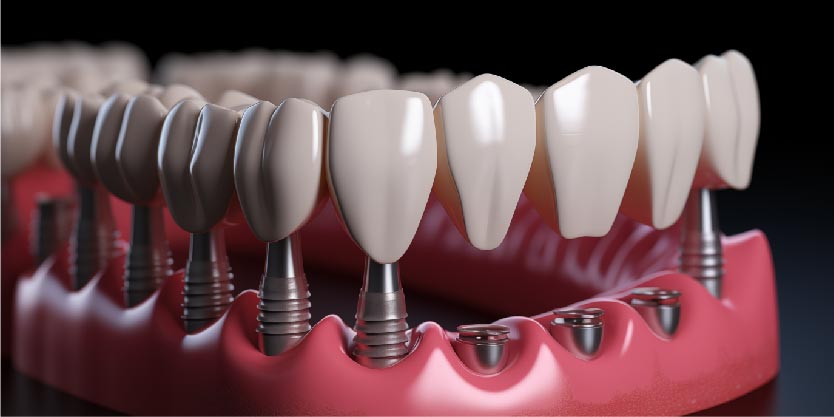
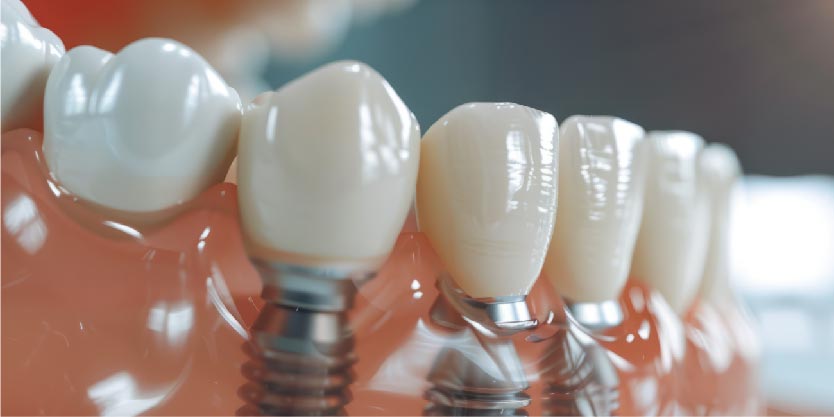
- Patients with missing teeth: Dental implants, bridges, or dentures can replace missing teeth and improve bite and aesthetics.
- Individuals with worn-down teeth: People with significant tooth wear due to grinding (bruxism) may need crowns or other restorations.
- People with root canal infections: Following a root canal, a crown may be required to protect the tooth.
What are the types of Dental Restoration?
There are several different types of dental restorations, depending on your unique oral health needs:
Fillings
A cavity is the result of microorganisms eating away at the enamel on your teeth. Fillings in the teeth are typically used to treat smaller cavities.
Your dentist will first remove the damaged area of your tooth and fill the hole with a composite material that matches the color of your tooth. By doing this, dental decay is stopped in its tracks and the possibility of more harm is decreased.
Crowns
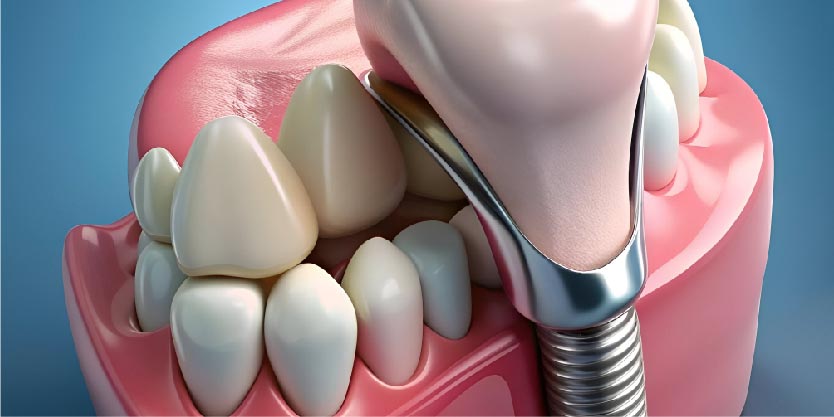
Dental crowns are used by dentists to fix big cavities and replace fractured teeth. A crown, sometimes referred to as a cap, covers your whole tooth.
Your dentist will need to remove some of your natural tooth enamel in order to place a crown. In other words, they will remove a portion of your tooth and cover it with a crown.
Inlays and onlays
A cavity may occasionally be too tiny for a crown yet too large for a filling. In this kind of situation, your dentist may suggest an onlay or inlay. These one-of-a-kind restorations slide like jigsaw pieces into your original tooth structure. They are cemented in place permanently by your dentist.
They are comparable, inlays and onlays. An onlay covers at least one cusp of your teeth, whereas an inlay fills the space between the cusps.
Dentures
Another conventional method of replacing missing teeth is dentures. An entire lost tooth arch is replaced with a set of full dentures. Multiple lost teeth in various locations are replaced with partial dentures. Your jawbone supports your dentures, which are positioned on top of your gums.
Dentures supported by implants are another option. Traditional dentures resemble these appliances. But they affix to dental implants rather than supporting your gums in this manner. This provides a great deal more stability than traditional dentures.